Rentals
Move-in photos of a rental: how to make them evidence
Deposit disputes happen at move-out. What to photograph on day one and how to give those photos a date that can be verified.
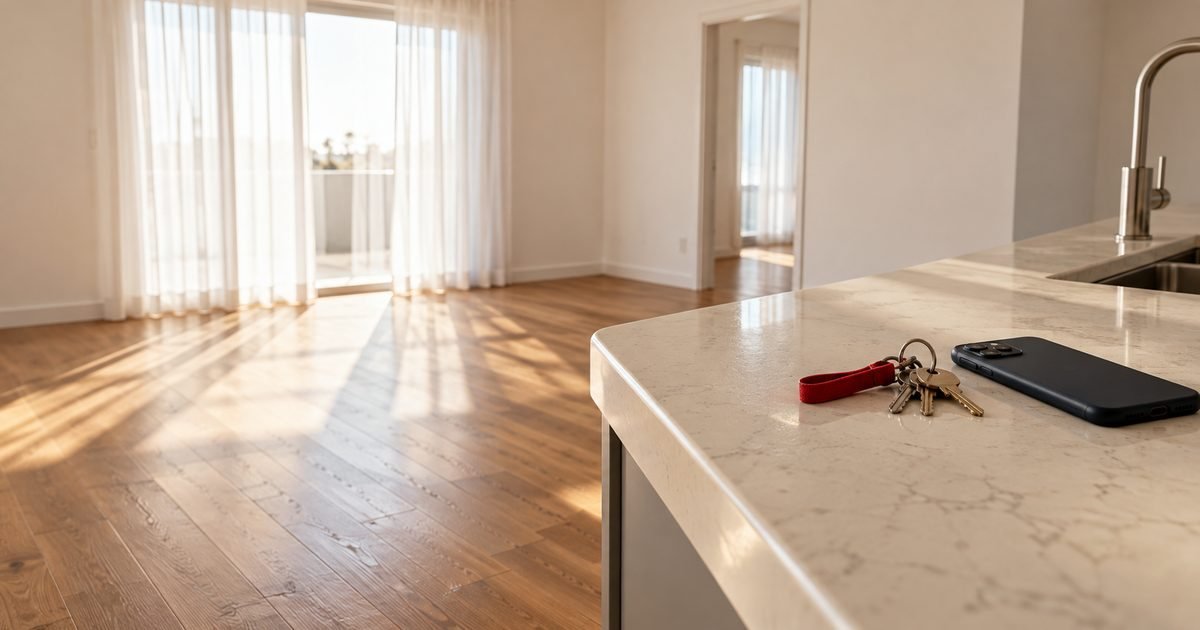
When you move into a rented home, recording its condition is easy to overlook. Years later, a dispute over the deposit may come down to a couple of simple questions: was that scratch on the floor already there? And the stain on the ceiling? Move-in photos help answer them, and they help more if you can also show when they were taken.
Why the first day matters
Leases generally require the tenant to return the property in the condition it was in at the start, apart from fair wear and tear. A written record made at the start helps establish what that condition was. Without an inventory, defects found at the end risk being blamed on whoever lived there; for the landlord, damage done during the tenancy becomes hard to tell apart from defects that were always there.
Move-in photos give both sides a record of the property's condition: the tenant who wants the deposit back, and the landlord who has to justify a deduction.
Recording the condition at move-in means nobody has to rely on memory when the tenancy ends.
The inventory, and the photos that make it credible
The most robust solution is a check-in inventory signed by both parties, room by room, with the photos attached. If you both sign it, the date of the photos matters less: you have both acknowledged the condition described. Problems arise when there is no inventory, when it is vague ("property in good condition") or when only one party took the photos, perhaps days later.
How to photograph the home on day one
- One room at a time, always in the same order: an overview from every corner, then walls, ceiling, floor.
- Every defect up close, with something next to it for scale: cracks, stains, scratches, chipped tiles, windows that do not close.
- Fixtures, fittings and appliances: the boiler with its rating plate, meters with their readings, taps, bathroom fittings, any appliances included and their condition.
- The furniture, if the home is furnished: each piece with its marks, before they become "yours".
- A walk-through video of the whole home, filmed slowly, opening wardrobes and windows.
Write down what the photos do not show: keys handed over, meter readings, anything that does not work. And if you can, do it together with the other party: you can record any defects and comments in the inventory there and then.
The weak spot: the date
Photos taken with a phone carry a date written by the phone, which can be changed in seconds (see the guide on EXIF metadata). Emailing or messaging them to the other party helps, because it leaves a record of sending; but that record shows when they were sent, not that the file was not altered beforehand, and messages can be lost if they are not backed up or transferred.
With LOCUS every photo is sealed the moment you take it: file fingerprint, device signature, timestamps from independent authorities (including a qualified eIDAS timestamp from InfoCert), location and address. Years from now the other party will be able to check for themselves that the photo existed on that day and has not changed since, without having to take your word for it. The package stays with you: keep a backup copy, because it needs to last at least as long as the tenancy.
At move-out
Take the same shots again, in the same order. Comparing the two sets of photos helps distinguish fair wear and tear from damage. That works for the tenant who wants the deposit back and for the landlord who has to justify a deduction.
If you manage property for a living, see also LOCUS for property managers and the guide on documenting a water leak.
This guide describes good documentation practice and does not replace your lease or legal advice. Photos inside a home also concern the private life of the people who live there: capture only what you need, with the consent of those entitled to give it.